Across Pakistan, access to basic medical care often depends on where you live. Remote villages, growing city edges, and crisis-hit regions still struggle to reach doctors on time. This gap explains why mobile healthcare units in Pakistan are transforming how care is delivered. These moving clinics travel where hospitals cannot. They bring primary healthcare services directly to families.
For many communities, clinics on wheels now replace long journeys and high costs. From rural primary care access to emergency support for flood-affected communities, mobile care restores dignity and speed. By combining flexibility with compassion, mobile health units are reshaping free healthcare and building a healthier future for millions.
What Are Mobile Healthcare Units (Clinics on Wheels)?
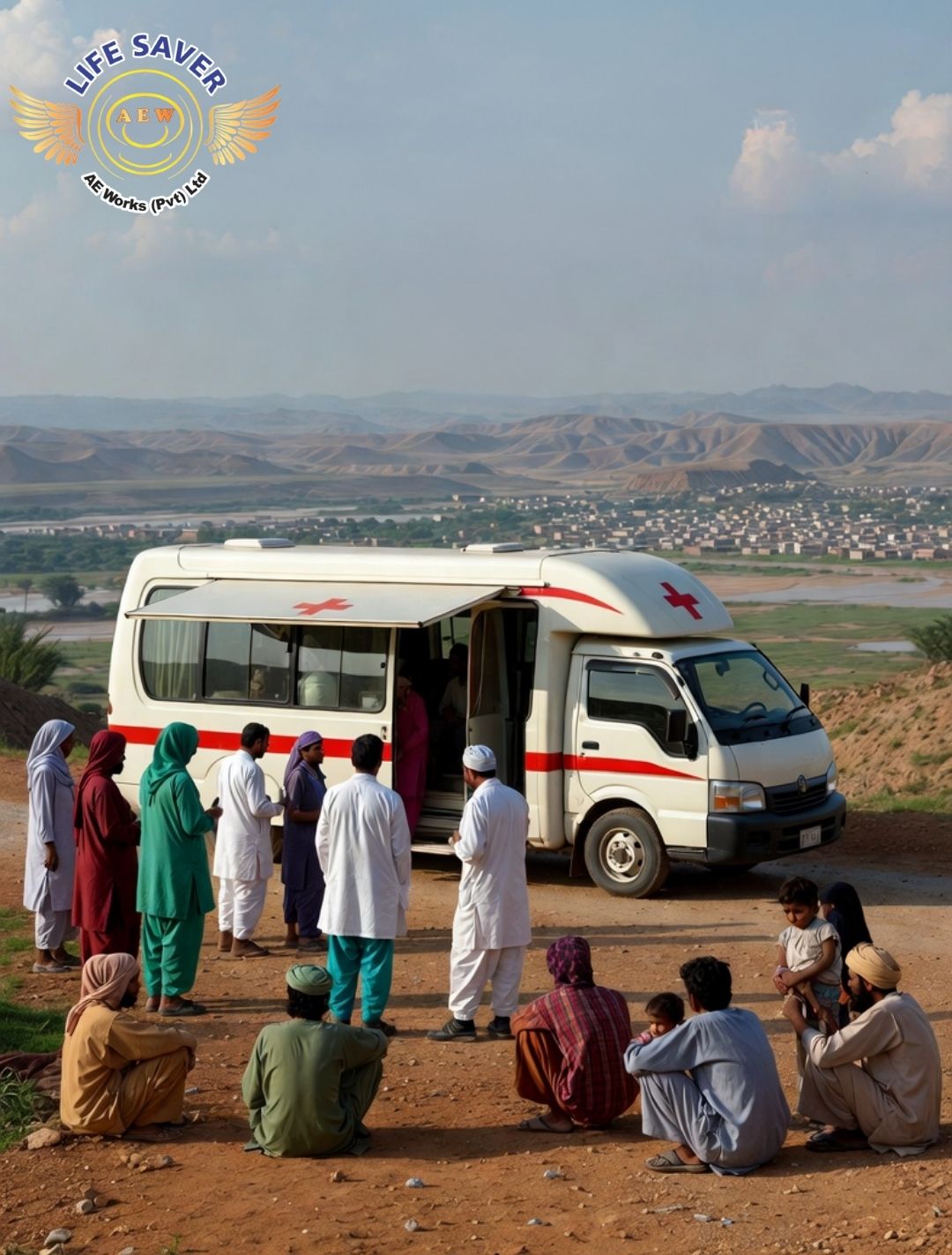
Picture a fully equipped clinic rolling into your neighborhood. That’s the idea behind Clinics on Wheels. These are vehicles refitted with examination bays, medicine storage, and basic diagnostics. They operate like compact hospitals. Instead of patients chasing care, care finds patients. In Pakistan, these units often serve areas where hospitals feel like distant dreams.
Most units use vans or modified trucks, including the Hiace ambulance, because it handles rough roads well. Inside, you’ll find beds, testing tools, and cold storage. Doctors, nurses, and Lady Health Workers staff them. This setup supports primary healthcare services without heavy infrastructure. That flexibility makes them ideal for rural primary care access and dense city outskirts.
Why Millions in Pakistan Still Lack Access to Primary Healthcare
The gap starts with geography. Mountains, deserts, and rivers isolate communities. Hospitals cluster in cities. Rural families travel hours for basic care. Add costs and lost wages, and visits get delayed. Women suffer most. Cultural limits and travel risks keep them home. That’s why maternal child health services often remain out of reach.
Cities hide another crisis. Underserved urban slums grow fast. Clinics can’t keep up. Overcrowding strains staff and supplies. Children miss vaccines, widening the gaps in the coverage of vaccinations. Unsafe water fuels illness. Without early care, small problems turn dangerous. Mobility breaks this cycle by shrinking distance and cost.
How Mobile Health Units Provide Relief in Remote & Disaster Areas
When disaster strikes, speed matters. Mobile units deploy fast during floods and earthquakes. Roads collapse. Hospitals overflow. Yet care still arrives. These units support Disaster medical response by reaching cut-off villages. They treat injuries, infections, and trauma on-site. That immediacy saves lives.
After floods, disease spreads quietly. Stagnant water invites illness. Mobile teams focus on waterborne disease prevention and hygiene sanitation awareness. In many flood-affected communities, clinics run daily rounds. A 2022 Sindh flood case showed mobile care reduced diarrheal cases within weeks, according to WHO field reports. Access stopped outbreaks before they spiraled.
Mobile Medical Teams: Bringing Healthcare Directly to Doorsteps
Trust grows when care feels familiar. Mobile teams return regularly. Faces become known. That consistency builds comfort. Women feel safer seeking help. Elderly patients avoid exhausting travel. Doorstep care restores dignity. It also improves follow-ups, which fixed clinics often miss.
Teams include doctors, nurses, and counselors. They work closely with lady health workers who know local needs. In conservative areas, female staff handle women’s care. That boosts attendance for antenatal checkups and counseling. Healthcare stops feeling foreign. It feels local.
Free primary care services offered by mobile healthcare units
Services cover everyday needs. Patients receive primary healthcare services without fees. Care includes fever treatment, blood pressure checks, and diabetes screening. For mothers, maternal and child healthcare stays central. This includes nutrition advice and safe pregnancy monitoring.
Vaccines matter too. Units run vaccination drives in Punjab and beyond, closing immunization coverage gaps. They deliver Immunization services EPI in hard areas. Children get missed doses. Records update on-site. Many units also provide diagnostic laboratory services like blood tests, catching illness early.
A Remarkable Step Toward Solving Pakistan’s Healthcare Crisis
Mobile care costs less than building hospitals. One unit can serve thousands monthly. Fuel and staff replace bricks and mortar. That efficiency stretches limited budgets. Governments and NGOs see results faster. Coverage expands without delay.
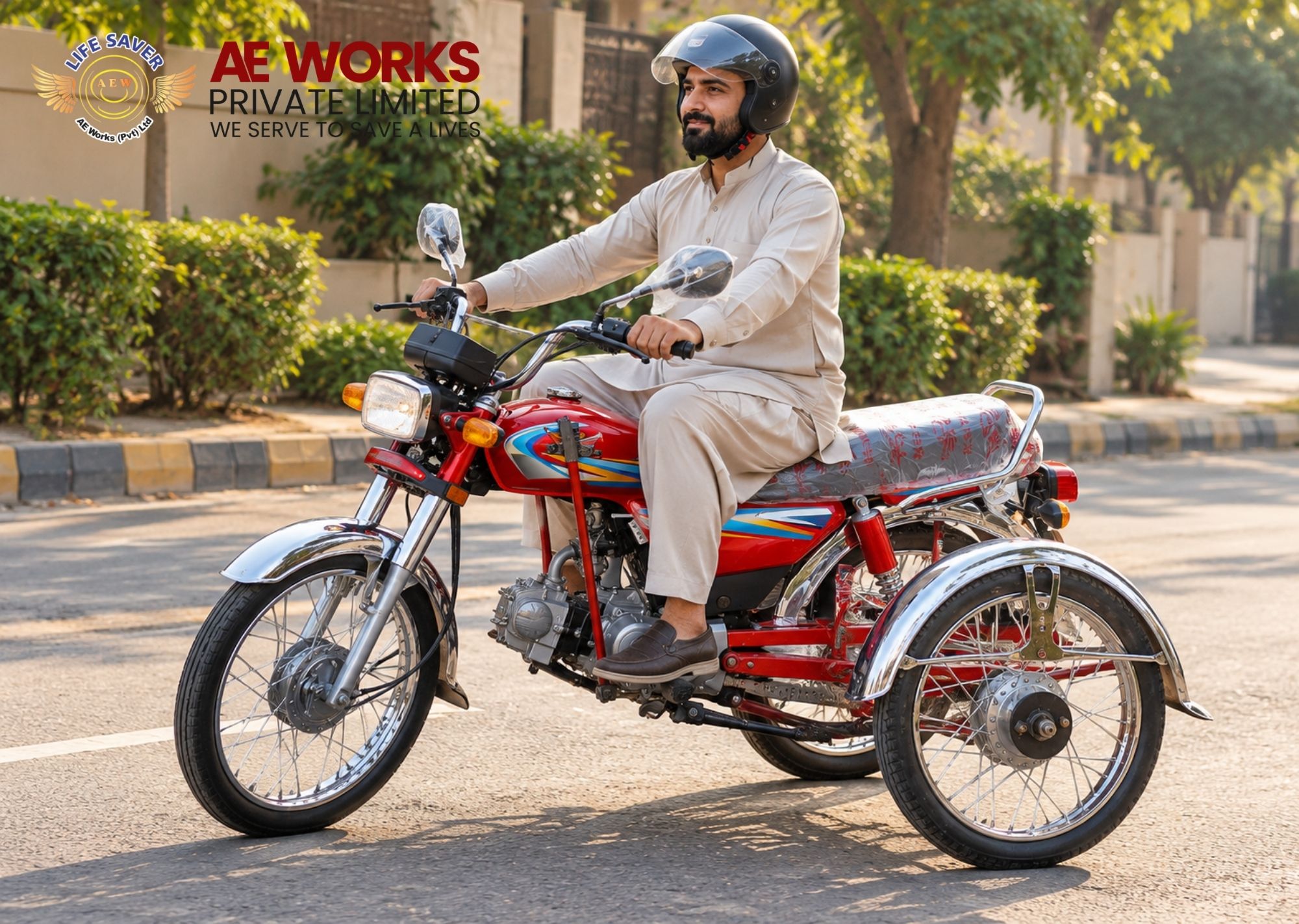
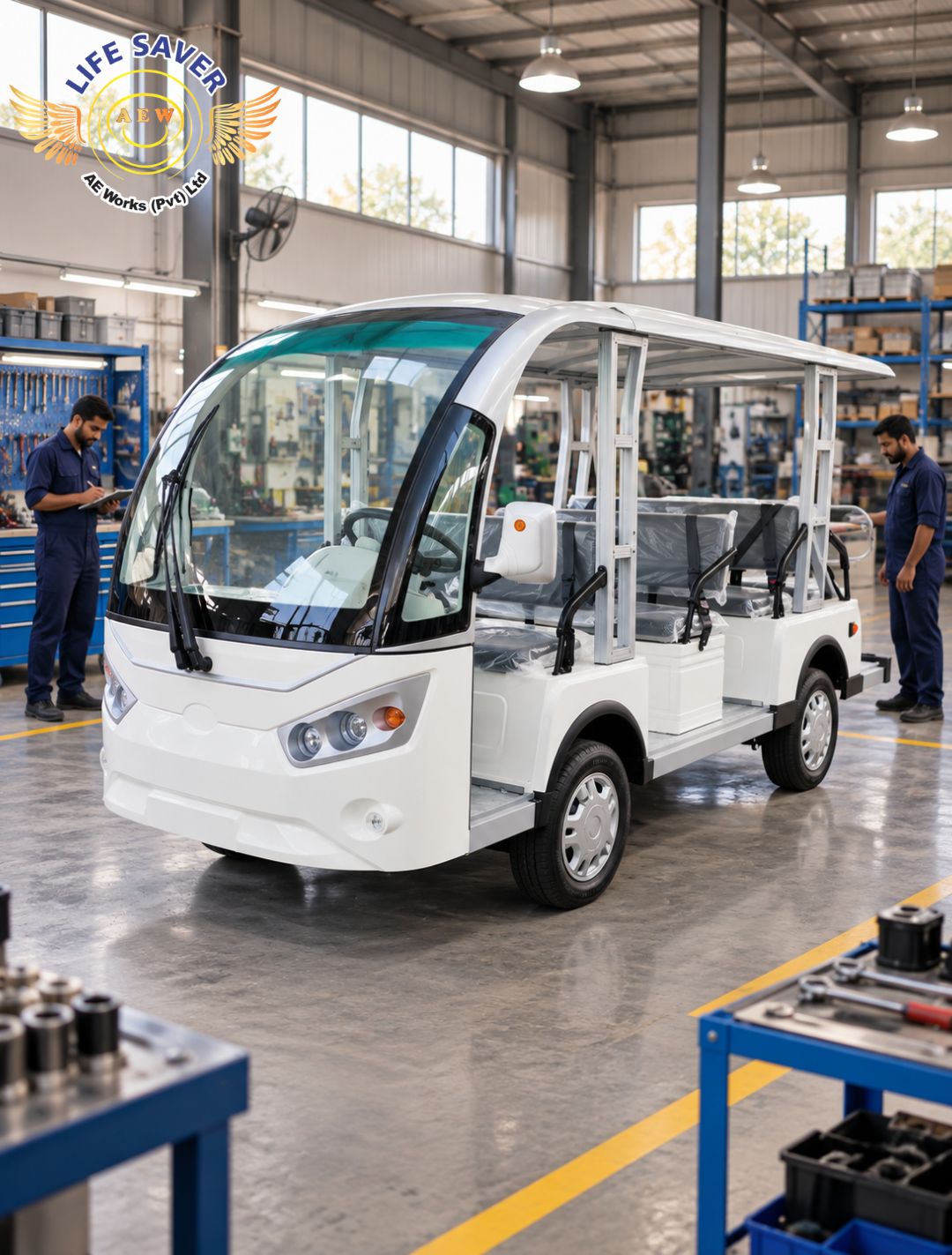
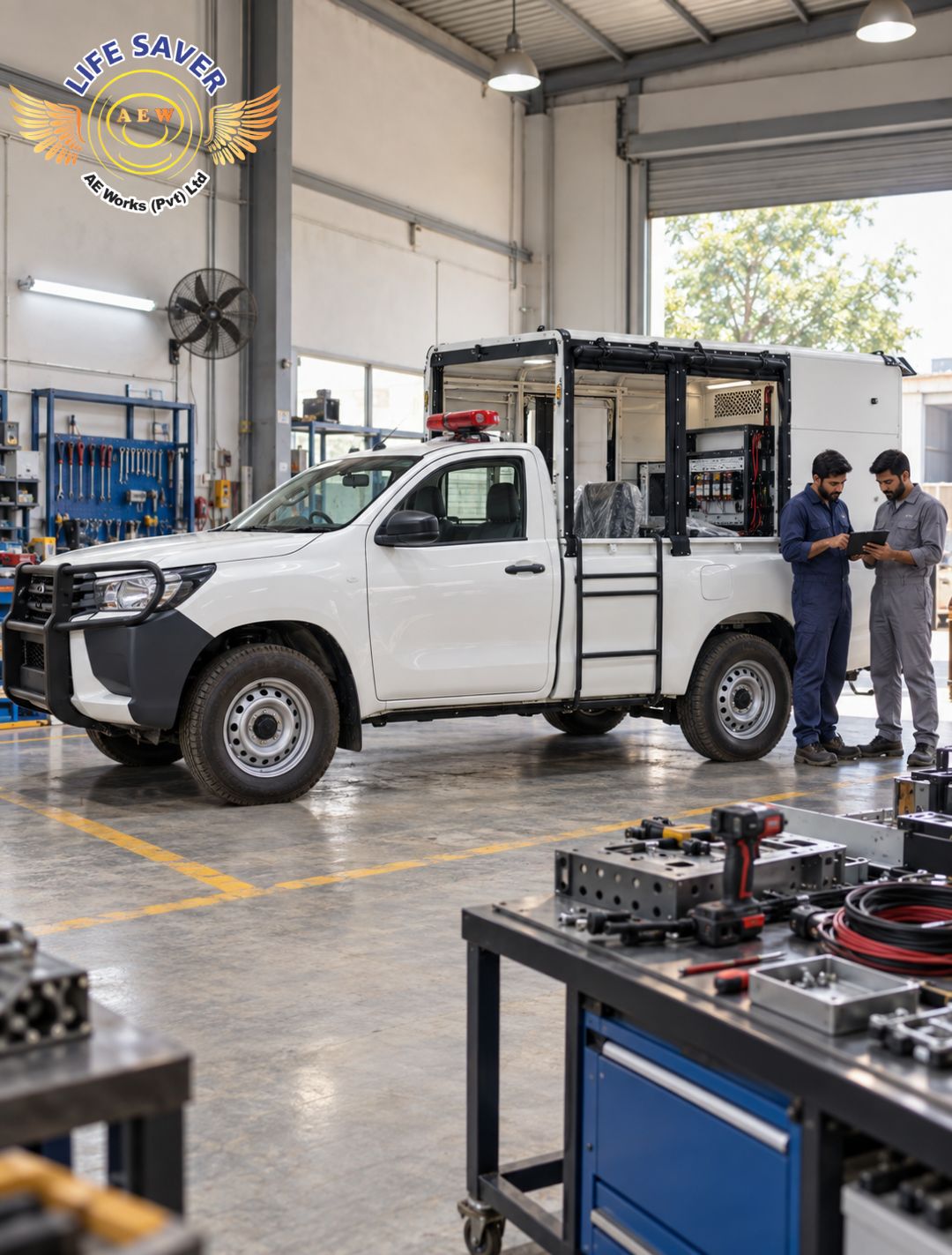
Local manufacturing strengthens this model. AE Works Private Limited supports mobility through advanced vehicle solutions. From clinic vans to ambulance fabrication, local production cuts costs and improves maintenance. When vehicles suit local roads, services last longer. That resilience matters.
Solvable Healthcare Issues through Mobile Health Units
Many illnesses don’t need hospitals. They need early action. Mobile care tackles Malnutrition anemia treatment before weakness turns severe. Children receive supplements. Mothers get counseling. Early screening prevents long-term damage.
Education runs alongside treatment. Teams teach Preventive health education during visits. Families learn safe water practices, reducing waterborne diseases. Simple habits save lives. These are solvable problems when knowledge and access travel together.
Clear Improvements Seen in Community Health Outcomes
Data shows progress. Mobile programs report higher vaccine uptake. Missed doses drop. Maternal check-ups increase. Communities once invisible now appear in health records. That visibility drives planning.
Here’s a simple comparison based on NGO field data.
| Indicator | Before Mobile Units | After Mobile Units |
| Vaccination completion | Low | Significantly higher |
| Antenatal visits | Rare | Regular |
| Diarrheal cases | Frequent | Reduced |
These gains reflect consistent access, not miracles.
Role of International Organizations & NGOs in Mobile Healthcare
Global partners fuel expansion. Organizations like WHO and UNICEF fund equipment and training. They support flood survivors' healthcare and mental health services. Collaboration blends global standards with local delivery.
Emergency drills improve readiness. Mobile teams train for outbreaks and floods. That preparation shortens response time. International backing also ensures medicine quality and data tracking. Together, partnerships turn mobile care into a national asset.
Why Mobile Healthcare Units Are the Future of Free Primary Care in Pakistan
The future favors flexibility. Mobile care adapts as populations shift. Urban sprawl, climate shocks, and migration demand movement. Fixed clinics can’t chase change. Mobile units can.
Innovation accelerates progress. Electric vehicles and digital records improve reach. AE Works Private Limited continues advancing healthcare mobility across Pakistan. When care moves with people, health improves faster. Free primary care stops being a promise. It becomes reality.
Frequently Asked Questions
What are mobile health units in Pakistan?
Mobile health units are fully equipped medical vehicles that deliver primary healthcare services directly to communities lacking nearby hospitals or clinics.
How does the Clinic on Wheels program work in Punjab, Pakistan?
In Punjab, the Clinic on Wheels program operates scheduled mobile clinics that visit villages and urban slums in Punjab, providing free consultations, medicines, and vaccinations.
Which NGOs operate mobile healthcare units in Pakistan?
Organizations like WHO, UNICEF, International Medical Corps, and Médecins Sans Frontières run mobile healthcare units across Pakistan, especially in emergencies.
What services are provided by mobile health units in rural Pakistan?
They offer outpatient care, maternal and child health, immunization services (EPI), basic diagnostics, and health education for rural populations.
Are mobile healthcare units free in Pakistan?
Yes, most mobile healthcare units provide free services, funded by government programs and humanitarian organizations.